
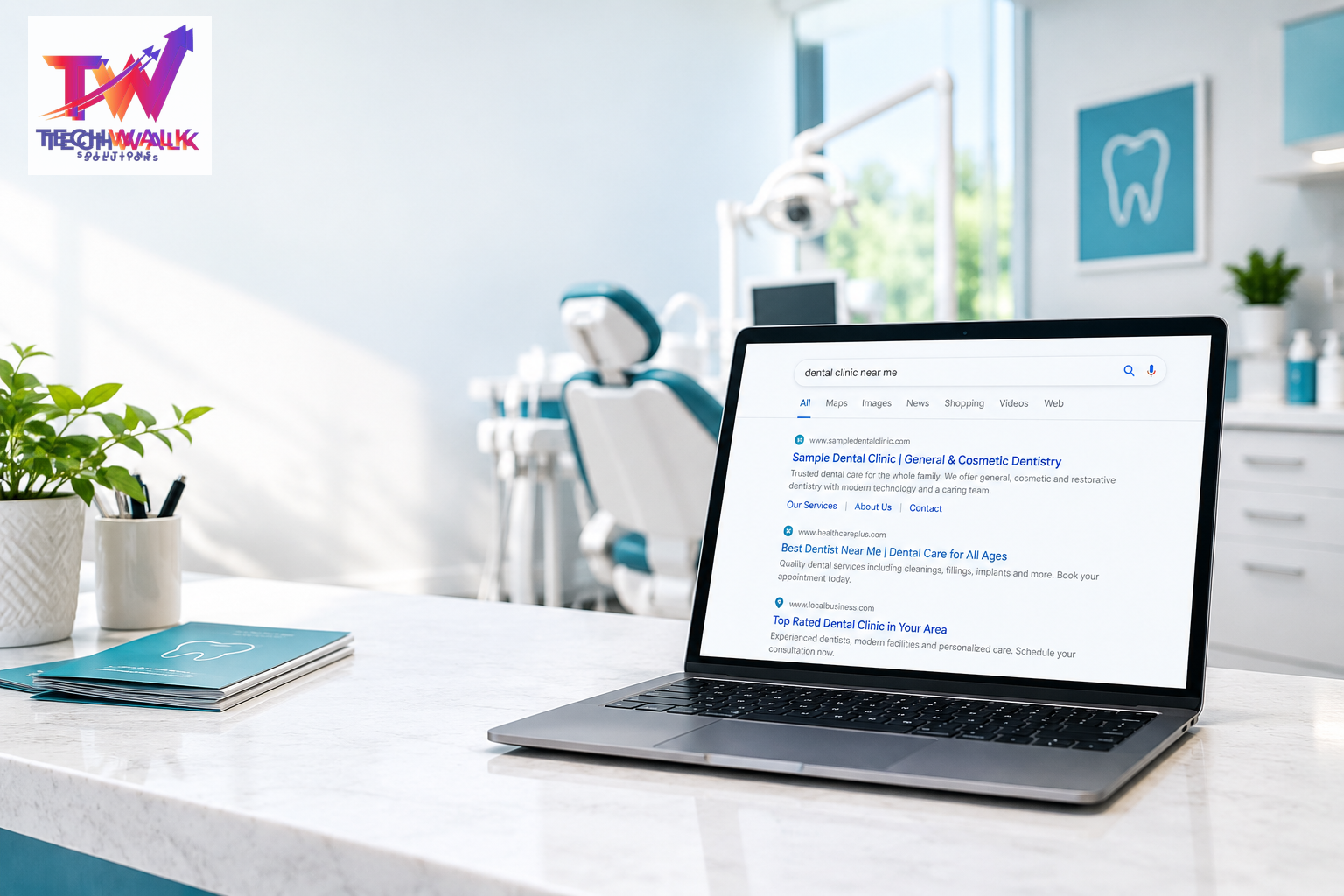
A well-designed website does not help a dental clinic if patients cannot find it. Search engines must be able to crawl your pages, understand what each treatment page covers, and trust your clinic details. This Dental SEO Checklist gives you 15 practical checks across technical setup, on-page content, local search, and trust signals. Use it to find gaps, prioritize fixes, and track whether changes bring relevant website visits and appointment enquiries over time. No checklist can promise a Google ranking, but a sound foundation makes your clinic easier to find in search.
Technical SEO Checks for Your Dental Website
1. Make Sure Important Pages Can Be Indexed
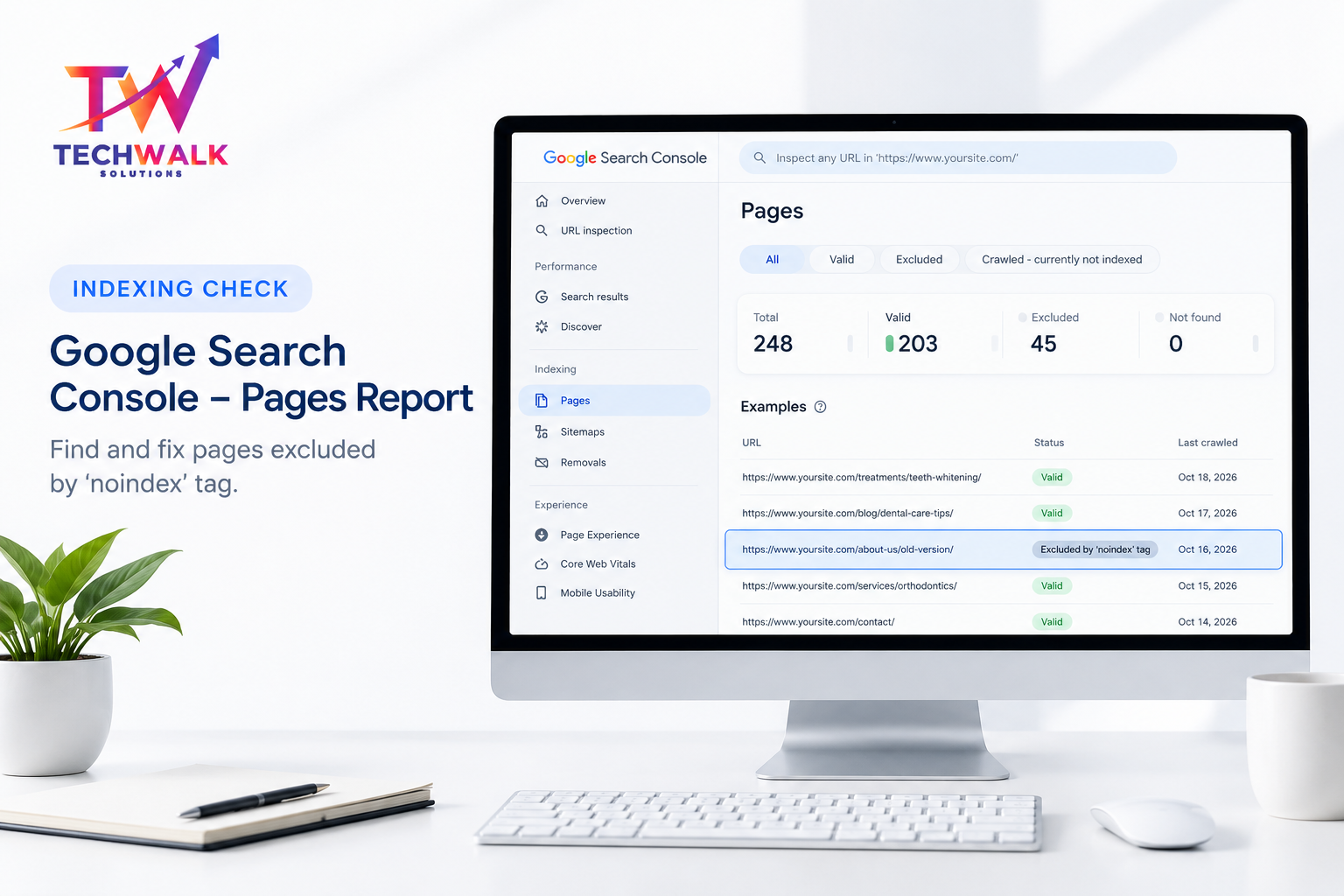
Confirm that Google can crawl and index your treatment, location, and contact pages. Crawling is when Google discovers a page; indexing is when it stores the page so it can appear in results, and Google’s SEO Starter Guide explains the basics of how both work. In Google Search Console, open the Pages report and look for important URLs excluded by a noindex tag or blocked by robots.txt, a file that tells crawlers which areas to avoid. Both can linger after a redesign. Check that your XML sitemap, a list of pages you want found, is submitted and lists only live pages. A broader SEO audit checklist for small business websites can help you review the rest.
2. Improve Mobile Usability and Page Speed
Many patients search on a phone, sometimes with a toothache. Check that layouts fit small screens, text is readable without zooming, and the phone number and booking link are easy to reach. Compress large images. Google’s PageSpeed Insights reports Core Web Vitals, which measure loading, responsiveness, and visual stability. Treat results as pointers to specific problems, not a score to chase. A developer may be needed for theme or hosting fixes.
3. Secure Your Website and Fix Broken Links
Serve every page over HTTPS and make sure HTTP versions redirect to the secure address. Then use Search Console or a crawler to find 404 errors and broken internal links. When a treatment page is removed or renamed, redirect it to the closest equivalent page, not automatically to the homepage. Mismatched redirects frustrate visitors.
On-Page SEO Checklist for Dental Clinics
4. Research Dental and Treatment-Specific Keywords
Match keywords to treatments you actually provide. List services such as dental implants, orthodontics, preventive dentistry, and cosmetic dentistry, then check how patients phrase them, such as “braces for adults.” Add a city or neighborhood where people search that way. Consider search intent: “dental implant cost” signals research, while “dental implants near me” suggests readiness to book. Give each page one main topic.
5. Optimize Title Tags and Meta Descriptions
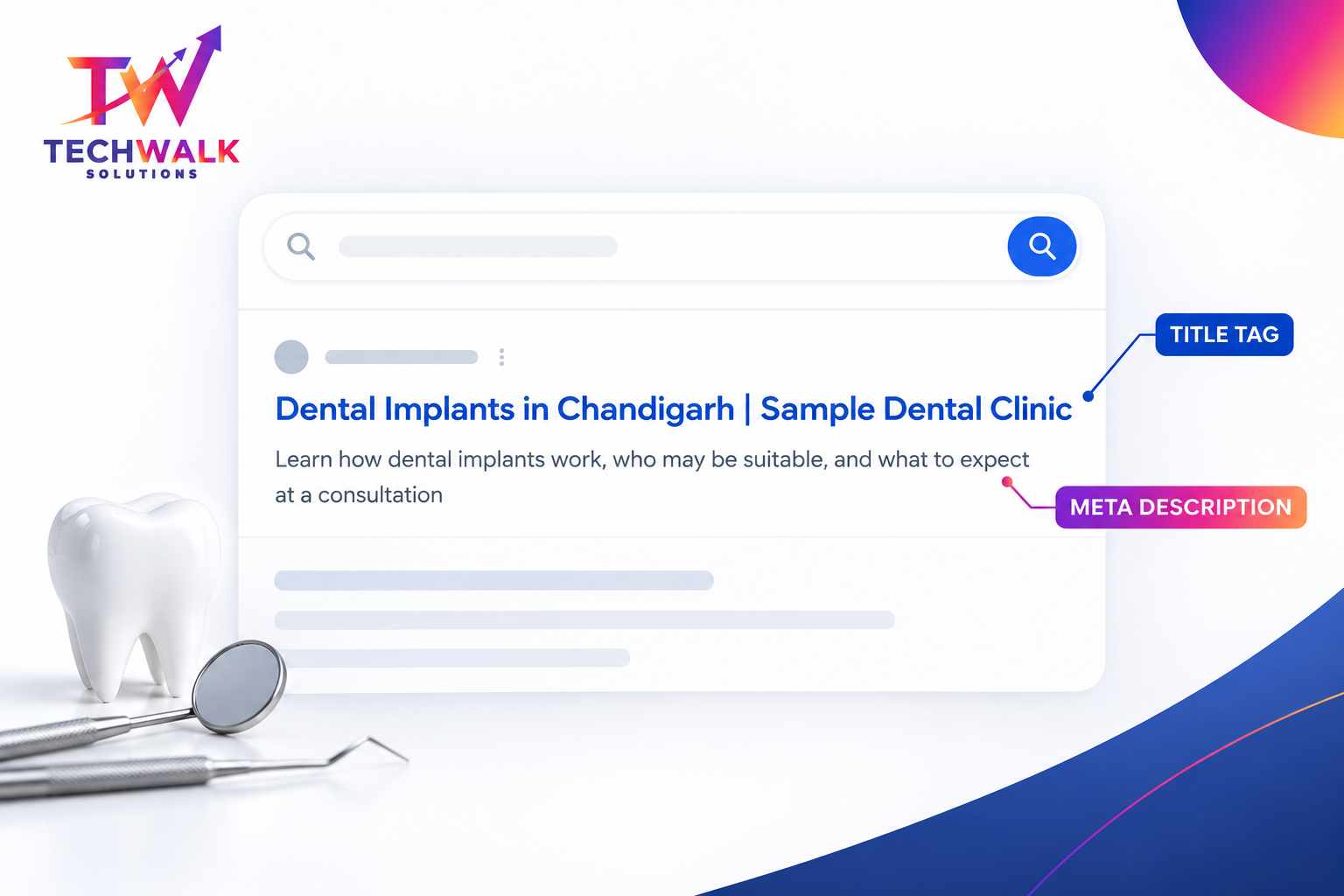
Write a unique title tag and meta description for each important page. The title tag is the headline shown in search results, and the meta description is the summary beneath it. For example, a title of “Dental Implants in Chandigarh | Sample Dental Clinic” with a description such as “Learn how dental implants work, who may be suitable, and what to expect at a consultation” sets clear expectations. Google may rewrite both and good wording guarantees no ranking gain, but clear snippets help the right patients click.
6. Organize Headings and Website Content
Give each page one H1 naming its main topic, then use H2 and H3 headings for sections patients look for, such as procedure steps, aftercare, and common questions. Headings should read naturally, without repeating one keyword. Keep each page focused and avoid near-identical pages for similar treatments, since duplicate content blurs which page deserves to appear.
7. Build Dedicated Dental Service Pages
Create a separate page for each genuinely distinct treatment instead of listing everything on one services page. A useful page explains what the treatment is, who may need it, what happens at a consultation, and how to book. Describe options factually, without promises such as painless results or guaranteed outcomes. Have a qualified dentist review the text.
8. Optimize Images and Add Descriptive Alt Text
Use compressed photographs of your clinic and team, with descriptive filenames such as dental-implant-consultation.jpg rather than IMG_2048.jpg. Alt text is a short description used by screen readers and search engines, so describe what the image shows, for example “Dentist explaining an X-ray to a patient,” and do not list keywords. Purely decorative images can have an empty alt attribute so assistive technology skips them.
9. Strengthen Internal Linking
Link related pages with descriptive anchor text. A dental implants page can point to a bone-grafting explainer, the consultation booking page, and the relevant location page, while educational articles should link to the treatments they support. They help patients take the next step and help search engines discover related content. Check for orphaned pages that nothing links to.
Local SEO Checks to Improve Dental Clinic Visibility
10. Optimize Your Google Business Profile
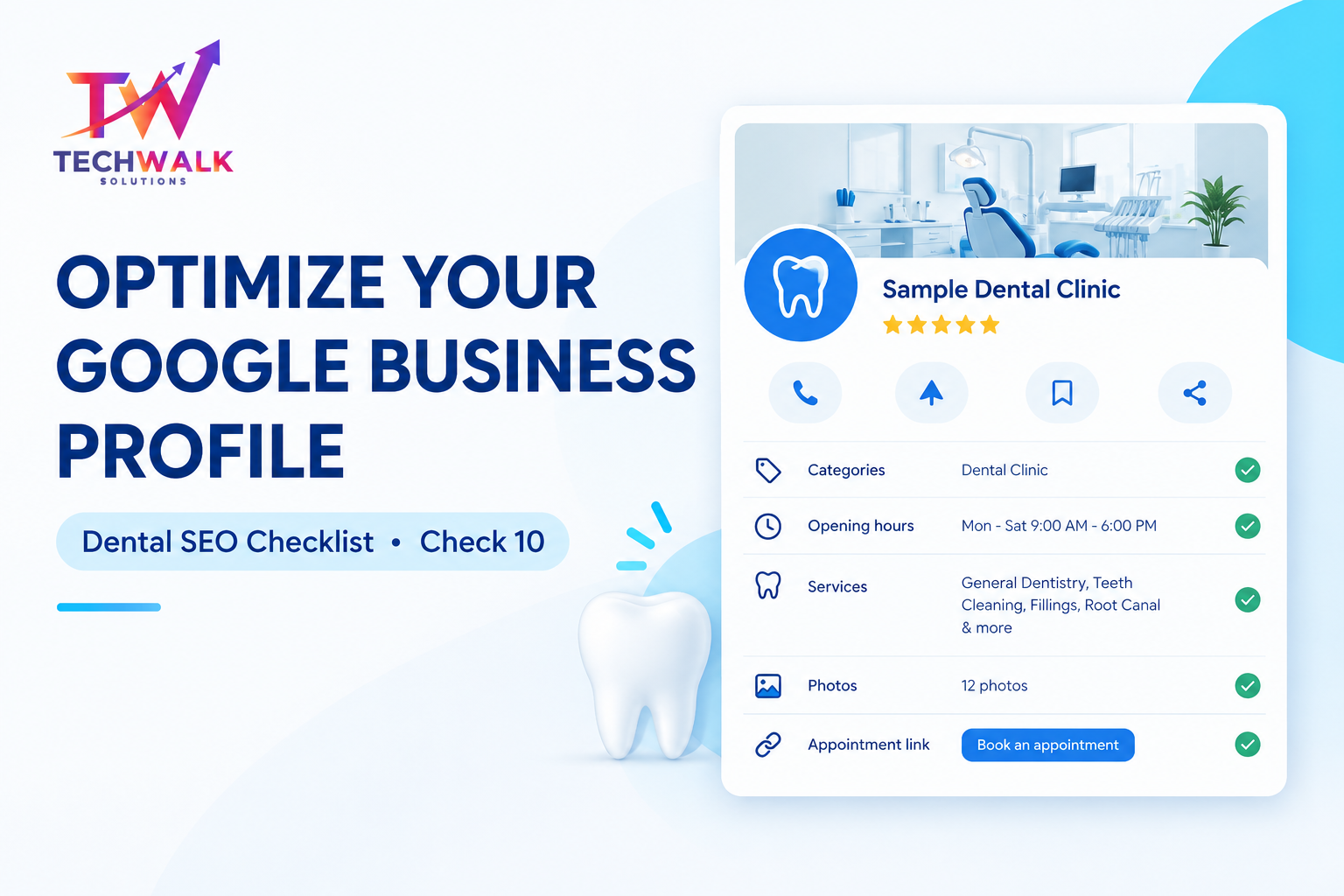
Keep your profile current: business name, address, phone number, categories, opening hours, services, photos, and appointment link. Choose the category that best describes your main service and update holiday hours. Google says local results depend mainly on relevance, distance, and prominence, so accurate details help, but completing every field does not guarantee a higher position. Our guide on why local SEO matters for small businesses covers the wider picture.
11. Keep Clinic Details Consistent Across Directories
Use the same business name, address, and phone number (often called NAP) on your website, Google Business Profile, and relevant directories. Small differences, such as “Suite 4” and “Unit 4,” can cause confusion. Prioritize reputable sources, such as Bing Places and dental associations, over mass submissions. Audit existing listings, merge duplicates, and update every listing when details change.
12. Create Useful Location Pages Where Needed
If you run several clinics, give each real location its own page with the full address, phone number, hours, services, directions, and a map. Add details unique to each site. Do not copy one page and swap the city name, or create pages for areas where you have no clinic. Thin or doorway-style pages offer little value and can conflict with Google’s spam policies.
13. Build a Consistent and Ethical Review Process
Invite genuine patients to share honest feedback, for example with a short review link after an appointment. Reply professionally and never reveal private health details publicly. Do not buy reviews, write your own, or offer rewards in exchange, because these practices break Google’s policies and can lead to removal. Steady, authentic reviews are more credible than a sudden burst.
Content and Trust Checks for Dental Websites
14. Publish Helpful, Clinically Accurate Dental Content
Write articles that answer real patient questions, such as how to prepare for a root canal, what to expect after an extraction, or how to care for new braces. Base clinical details on authoritative sources and have a qualified dentist review them before publishing. Name a reviewer only if real. Avoid exaggerated promises, unsupported statistics, and anything that reads like individual diagnosis, and encourage readers to consult their dentist.
15. Use Appropriate Structured Data and Track Results
Structured data is code that describes page information in a format search engines can read. Where it matches visible content, use supported markup such as Local Business or a more specific type like Dentist, and validate it with Google’s Rich Results Test. Markup does not guarantee rankings or enhanced results. For context on newer search features, read how AI search is changing SEO. To measure progress, use Search Console for impressions and queries, Google Analytics for organic visits and enquiries such as calls, forms, and booking clicks, and Business Profile data for profile views and actions.
How to Prioritize Your Dental SEO Checklist
Begin with foundational problems: pages blocked from indexing, incorrect business details, missing treatment pages, and poor mobile usability. These can limit the value of everything else. After that, the best order depends on your website’s condition, location, local competition, and available resources. If you are unsure where to start, an SEO specialist can audit the site, rank the fixes, and shape a suitable strategy. TechWalk Solutions provides SEO services in Chandigarh for businesses that want that support. Review progress regularly, since results usually build over months.
A useful dental SEO checklist covers more than keywords. Technical health lets Google reach your pages, treatment content answers patient questions, accurate local details support discovery, and regular measurement shows what is working. Work through the list in stages, ask for specialist help where a task needs it, and have clinical content reviewed by a qualified dentist. Visibility grows gradually, but each correction makes your clinic easier to find and trust.